Empowering the visually impaired to exercise independently
From diagnosis to recovery, we provide compassionate, expert care designed to support a healthier, happier life.
Audience
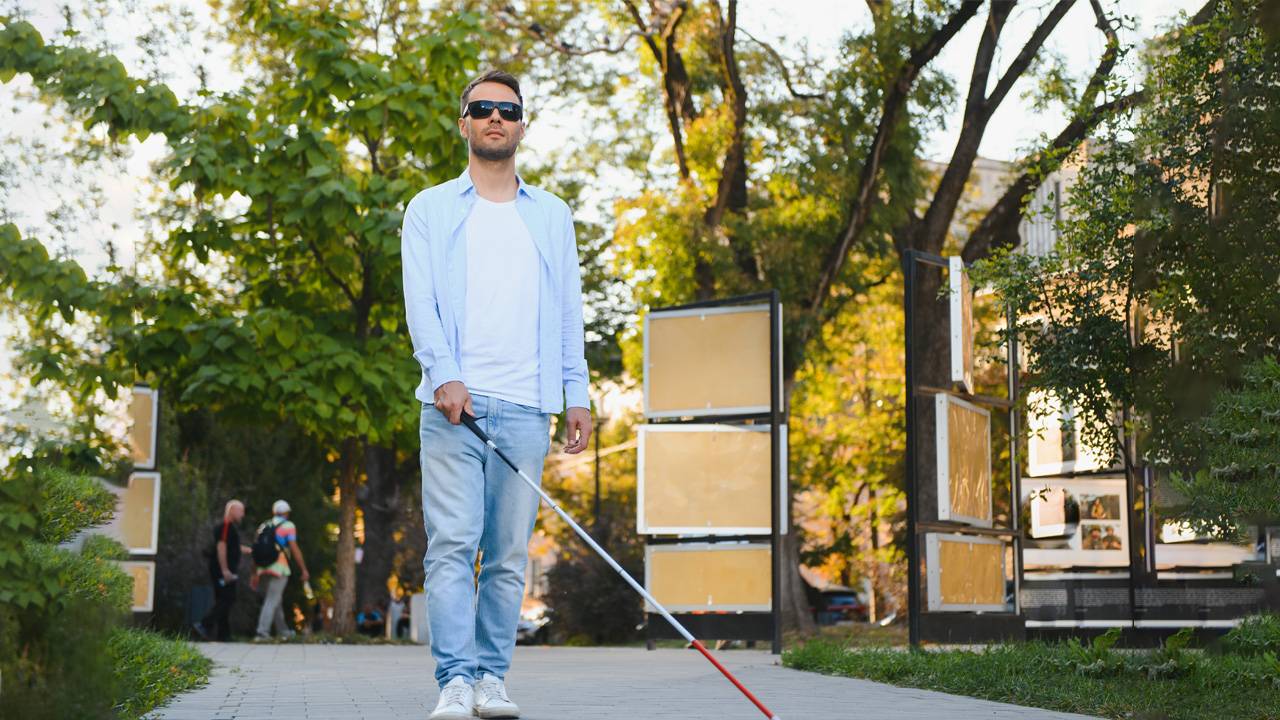
Globally, 40 million people are blind, and 135 million have variations of visual impairment. In India alone, more than 4.95 million people are considered blind, and 35 million are classified as visually impaired. Swimming is a survival tool and a form of exercise. It is low impact and is a safe form of exercise for people with muscular and joint problems. It is one of the few sports visually impaired people can partake in without fear of injury, and can therefore act as a vital form of exercise to remain healthy.
Problem
Visually impaired swimmers face three primary problems
Swimming in a straight line
Fear of collisions
Uncertainty about pool boundaries
ExistingSolutions
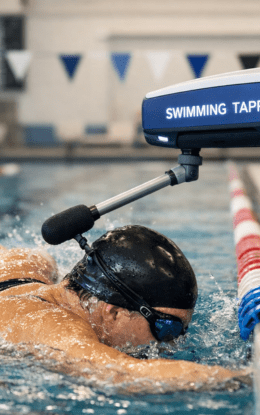
ThedrawbacksofTappersinclude
Limited swimmer independence
Tappers require multiple people
ThedrawbacksofPoolLanesinclude
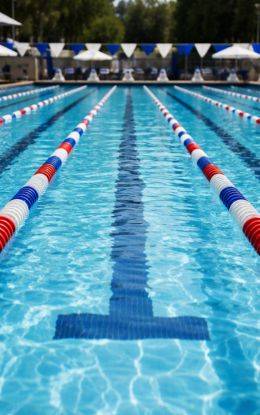
Pool lanes are not available in all pools
Swimmers often injure their hands brushing against plastic pool lanes
IntroducingDEVIS
DEVIS operates through a simple two-part system designed for accuracy, safety, and ease of use.
Smart Beacons (Pool Setup)
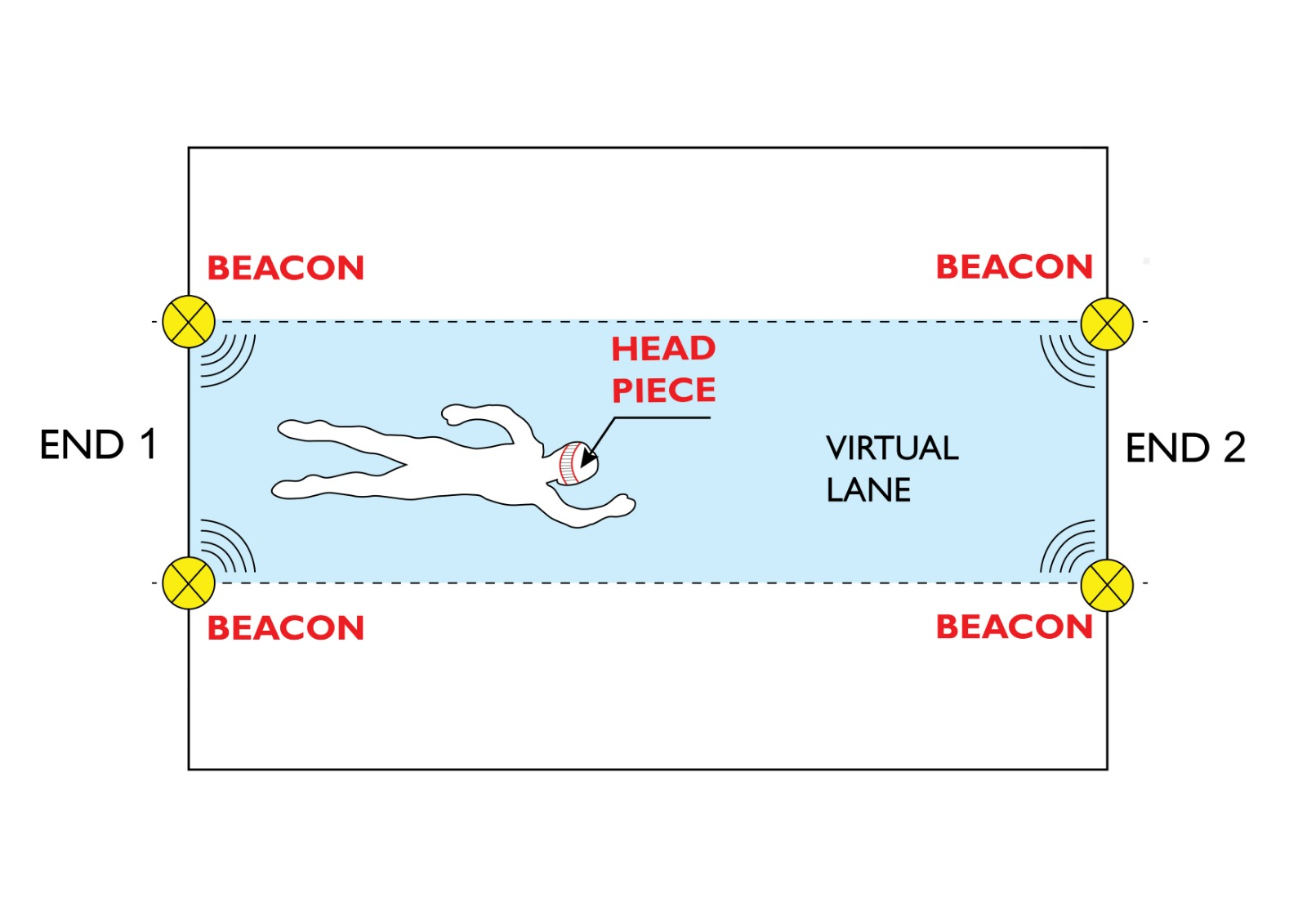
Four compact beacons are placed at the corners of the pool lane. These beacons act as distance trackers and work together to create a virtual swimming lane, defining the safe boundaries and coordinates within the pool.
Wearable Headpiece (User Feedback)
The swimmer wears a lightweight headpiece equipped with haptic motors. As the swimmer moves, the system continuously tracks their position within the virtual lane.
Real-Time Guidance
If the swimmer drifts too close to the lane edges or reaches the end of the pool, the headpiece delivers gentle haptic alerts, guiding them back on course—no visual cues or human assistance required.
Status
DEVIS is concept tested. We are seeking to build a waterproof pool grade prototype for testing with swimmers.
“Thank you to The Innovation Story” for mentorship and guidance.
Testimonials
problemsfacedinthepool
When I first started swimming, I had to be convinced. My coach had to help me out by shouting from outside the pool, but even then I couldn’t hear him. I tended to collide with people in the middle of the water.
When I started swimming, my movements were uncoordinated and disoriented. Iboften swam in all directions. The idea of swimming into another lane accidentally made me nervous.
I feel - on both land and water - that the challenge lies in moving in a straight line.
I’ve never encountered an assistive device for visually impaired swimming, much less one that
could help me with this problem.
Lane ropes are not always available in public pools. I try to create a safer space by
attaching a lane rope along one side, but most public pools don’t allow this setup. Strokes like
backstroke, breaststroke, and butterfly often result in collisions - sometimes even during
competitions.
YourSupport
Please support our effort to build DEVIS. Your support will help with endorsement from the paralympic committee and associations for the visually impaired.
AbouttheInnovator
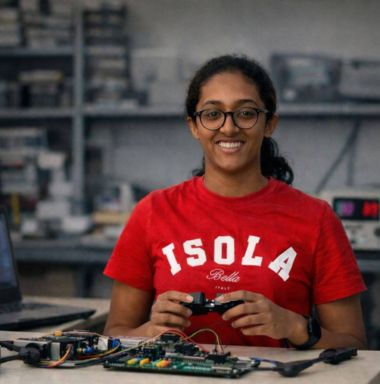
DEVIS was created by Zanaee Raghavan, an 17 year old living in Mumbai, India. She studies at the Cathedral and John Connon School in the IBDP Curriculum. Zanaee is an avid sports person and maker.